


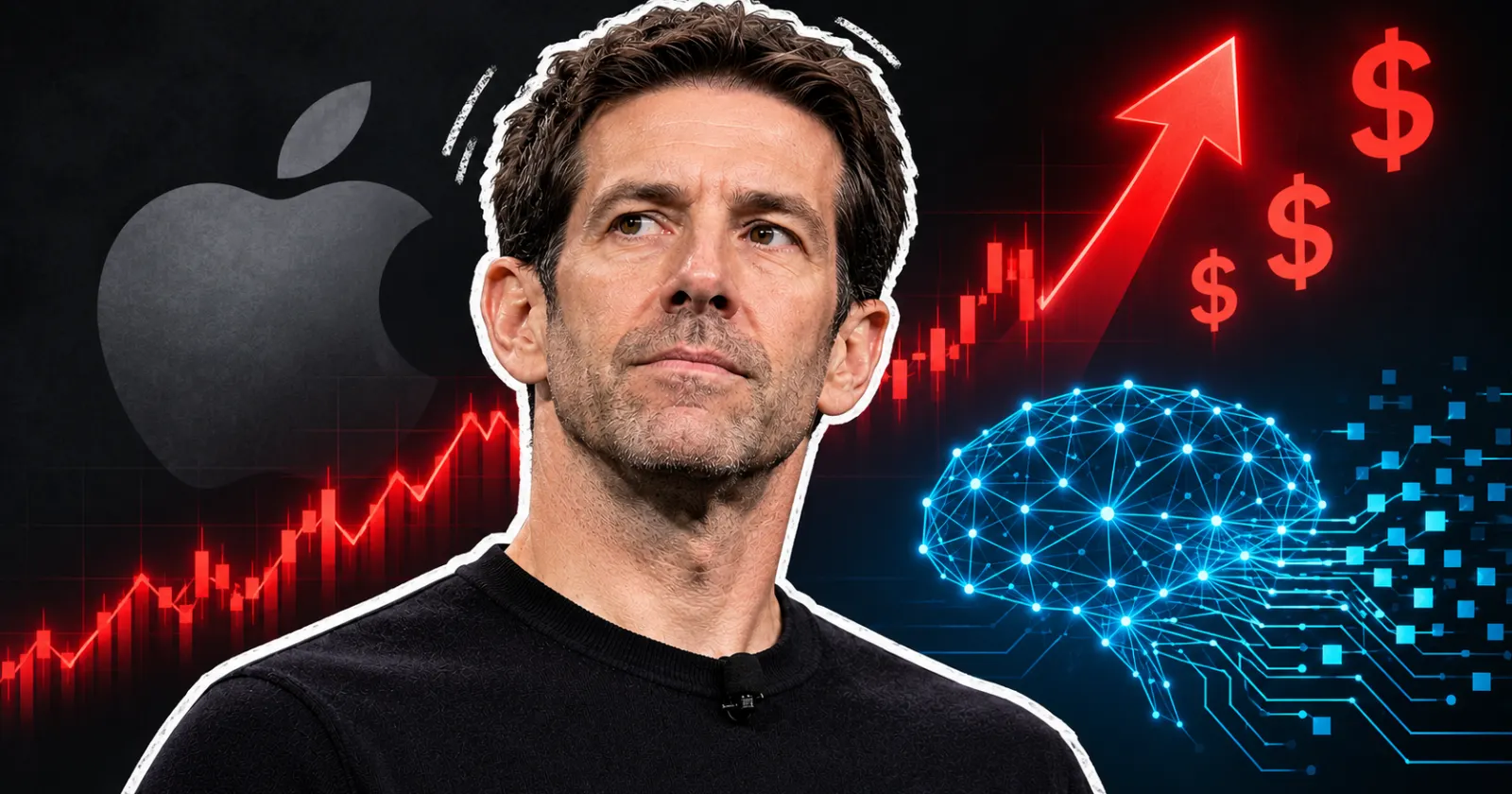
Apple engineers who got used to a $300-a-day AI allowance now have $200, and some may soon have half that. But this isn’t something to be brushed off. There’s a bigger story here, too: it landed alongside a midterm election that put AI regulation on the table, the worst day for chip stocks since March 2020, and an Apple earnings call where the company admitted memory costs are getting worse. The threads aren’t all connected, but they do tell one story about what AI costs and who ends up paying for it.
What exactly is Apple cutting?
Bloomberg’s Mark Gurman broke the story on Wednesday. According to people familiar with the change:
Last month, Apple quietly lowered the daily spending cap for some engineers using AI models to $200 from $300… The company is now planning further cuts for some engineering teams, potentially reducing their daily allowances to as little as $100.
Teams outside engineering mostly have a $100 daily cap already, and Apple has reportedly considered dropping that to $25 for some groups. Employees who need more can ask senior leadership for an exemption. Apple declined to comment to Bloomberg.
Employee reactions are the telling part. Some staff think few people ever used the full $300, so the old limit was “unnecessarily generous” and the savings may be small. Others read the cuts as a sign of wider belt-tightening and worry about layoffs. Bloomberg also says new CEO John Ternus wants Apple to run “faster and leaner.”
Isn’t Apple spending more on AI, not less?
At the corporate level, yes. Apple’s fiscal 2026 annual report shows R&D rising 32%, from $34.55 billion to $45.77 billion. Apple explains the jump this way:
R&D expense increased during 2026 compared to 2025 primarily due to higher infrastructure-related costs, including investments in artificial intelligence, and headcount-related expenses.
This makes it clear that Apple isn’t exactly shying away from AI. Instead, the company is putting its resources towards infrastructure and models that ship in its products while limiting how much employees spend on third-party AI tools every day.
While at first glance this might seem like Apple’s way of saving money, it’s not the only company doing so. In October, the Guardian reported that Microsoft and McKinsey were limiting employee AI usage after rollouts that encouraged staff to use it as much as possible. Microsoft’s chief strategy officer, Kathleen Hogan, summed up the lesson:
We learned that access and usage do not equal transformation.
So is the AI spending boom over?
Well, if you take into account people selling hardware, then the answer is no. In a Benzinga roundup of analyst notes, Cantor Fitzgerald said chip equipment is “effectively sold out,” with ASML reportedly taking orders for 2029 and 2030. Bank of America estimates that cloud and AI-cloud capital spending will reach about $1.01 trillion this year, up 98%, and about $1.39 trillion in 2027.
So even though things might look gloomy when companies cut employee spending on AI tools, money keeps flowing into data centers. But recent developments have certainly raised everyone’s eyebrows.
Why did the market crash this week?
If you haven’t been living under a rock, you’ve probably heard about this week’s market crash, thanks to politics. Democrats did well enough in Tuesday’s midterms to take both chambers of Congress, and some of them want to go much further than token budgets. Rep. Yassamin Ansari (D-Ariz.) posted on X the next day:
Top of the Democratic agenda on day 1 needs to be a pause on advanced AI development, regulation of this out of control industry, and a ban on artificial superintelligence.
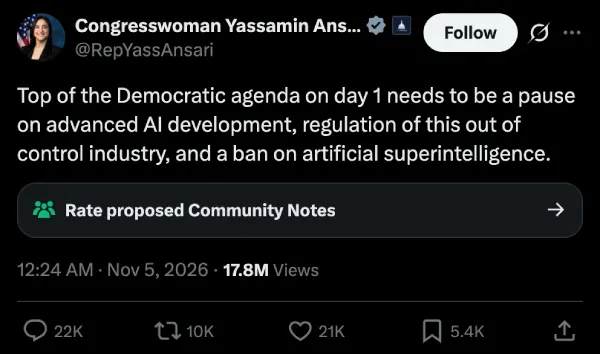
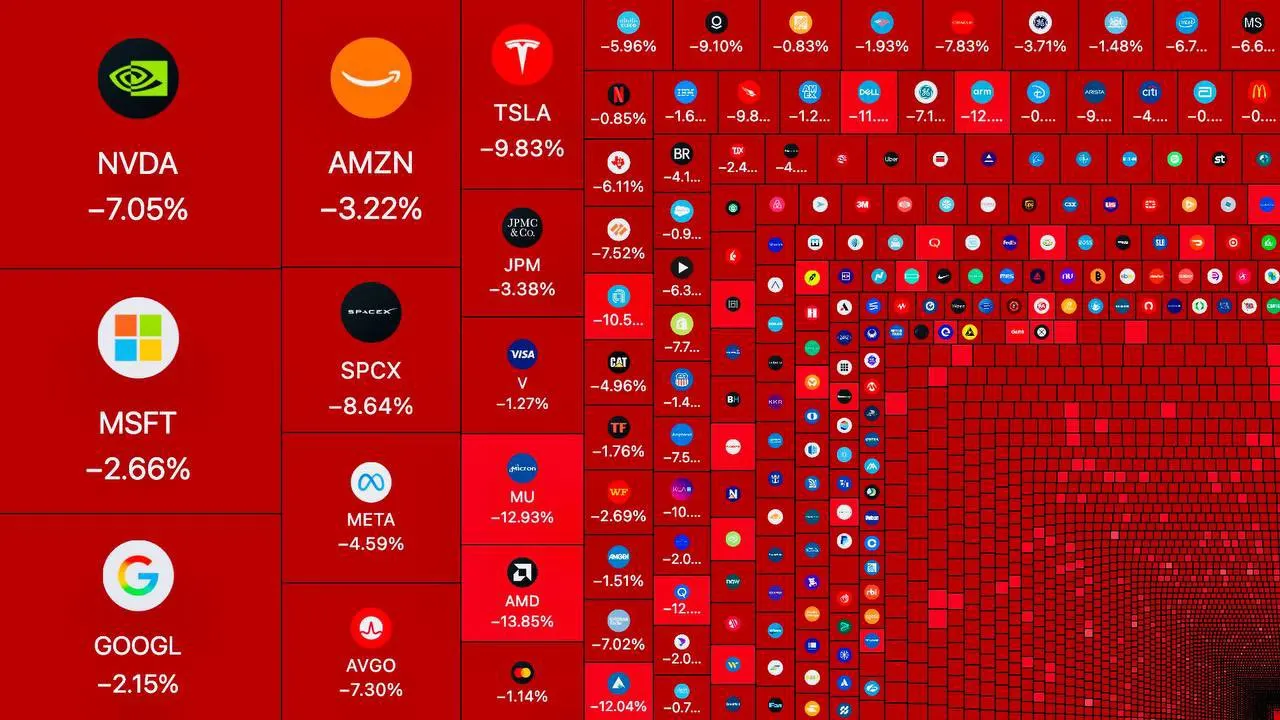
Needless to say, one post by a lawmaker doesn’t mean it’s the party’s policy, but investors took the regulatory risk seriously. According to the Guardian’s markets live blog:
- The Nasdaq fell 5.5%, the S&P 500 fell 4.36% (its worst day since April 2025), and the Dow lost 1,833 points.
- Memory and chip names were hit hardest: SanDisk fell 22%, Micron and AMD 17%, and Nvidia more than 9%. Deutsche Bank says the Philadelphia semiconductor index lost 12.25%, its worst day since March 2020.
So yes, Apple’s token cuts didn’t cause this selloff; the market was reacting to the election and months of valuation worries. I find it deeply ironic that the blue wave (Democrats win) resulted in a massive red wave (market collapse).
Where do higher Apple prices fit in?
Now here’s the part most people will actually care about. The AI build-out has soaked up memory supply, and Apple says the cost of the memory it buys is climbing fast. On Monday’s earnings call, as MacRumors reported, Ternus said:
What we’re seeing with memory pricing right now is unprecedented… Looking beyond the December quarter, we see the pricing for memory purchases continuing to increase.
Apple guided gross margin down from 47.9% to 45–46% for the December quarter, mainly because of memory plus some Siri AI costs. When an analyst asked about further price increases, COO Sabih Khan didn’t give a direct answer.
But we’ve already seen this play out just a few months ago. In June, Apple raised prices across most of its lineup. The base iPad went from $349 to $449, the 13-inch MacBook Air from $1,099 to $1,299, and the 16-inch MacBook Pro from $2,499 to $2,999. iPhones weren’t included in June, though, but our luck ran out in September when the company boosted prices on its iPhone models too.
All in, it looks like Apple is trying to balance its cash flow by spending less on tokens while raising prices for customers. The end result: we all lose.
What does this mean if you’re shopping or just watching?
If you’re considering a Mac or iPad, Apple’s own guidance suggests that waiting may not bring the price down anytime soon. Memory costs are expected to keep rising beyond December, and supply remains tight. Even a market crash may not change that, since Micron expects supply to be even tighter in 2027. For everyone else, one question worth keeping an eye on comes from BofA: does AI earn back what it costs? Apple giving its engineers smaller daily budgets offers one small but telling clue — from a company that can afford almost anything.
TechIssuesToday primarily focuses on publishing 'breaking' or 'exclusive' tech news. This means, we are usually the first news website on the whole Internet to highlight the topics we cover daily. So far, our stories have been picked up by many mainstream technology publications like The Verge, Macrumors, Forbes, etc. To know more, head here.



Dwayne Cubbins
1486 Posts
For nearly a decade, I've been deciphering the complexities of the tech world, with a particular passion for helping users navigate the ever-changing tech landscape. From crafting in-depth guides that unlock your phone's hidden potential to uncovering and explaining the latest bugs and glitches, I make sure you get the most out of your devices. And yes, you might occasionally find me ranting about some truly frustrating tech mishaps.


Follow Us

